
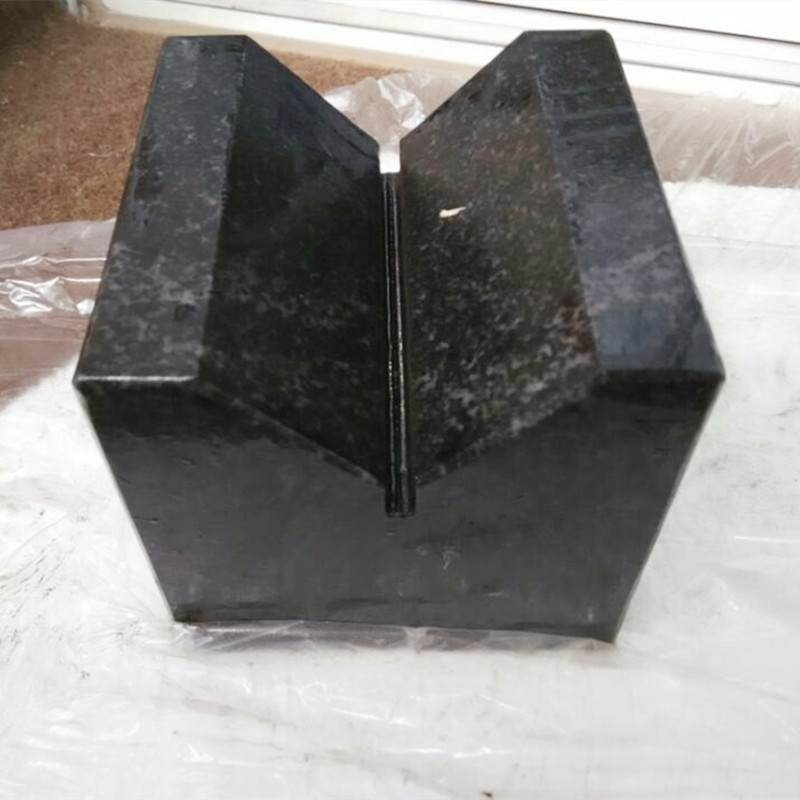
smoked mirror panels
Understanding the Spirit Level Precision in Measurements The spirit level, a simple yet ingenious tool, plays a pivotal role in ensuring that various structures and surfaces are correctly aligned. Used by builders, carpenters, metalworkers, and DIY enthusiasts alike, the spirit level is an essential device in any toolkit where precision matters. Its design features a sealed vial containing a liquid, typically alcohol or oil, with an air bubble inside that indicates when a surface is perfectly horizontal or vertical. The Anatomy of a Spirit Level A traditional spirit level consists of a rectangular body, usually made from materials such as aluminum or plastic for durability and lightweight ease of use. Embedded within this body are one or more vials—these are the clear tubes filled with liquid. Each vial is carefully calibrated to show level in different orientations one for horizontal leveling (often the most used), and additional ones for vertical measurements. More advanced models may include even more vials, marked at 45-degree angles for checking surfaces that require precise angle adjustments. The operative principle of the spirit level lies in gravity. When placed on a surface, the bubble inside the vial will seek the highest point, eventually coming to rest in the center of the vial when the surface is perfectly level. This simple observation allows users to achieve accurate measurements without relying on complex calculations or advanced instruments. Practical Uses in Everyday Projects The applications of a spirit level are vast and varied. In construction, ensuring that walls are plumb (vertically straight) and that floors are level is crucial; a minor error can lead to significant structural problems later on. For instance, when installing cabinets in a kitchen or hanging shelves, using a spirit level guarantees that these installations are secure and will function as intended without risk of tipping or falling. spirit level with measurements Carpenters utilize spirit levels when framing structures, ensuring that each stud is vertically aligned to maintain integrity in load-bearing walls. In landscaping, spirit levels serve as an indirect measure of drainage, helping to establish the right slope for water runoff. Even in tiling projects, where uniformity and precision in layout are key, spirit levels ensure that tiles are laid evenly—creating a visually appealing and safe surface. The Digital Evolution While traditional spirit levels are still widely used, advances in technology have introduced digital spirit levels. These devices offer LED displays that provide precise readings, often with features like angle measurement and memory for storing previous measurements. Digital levels are usually more sensitive than their analog counterparts, offering increased accuracy that can be critical in specialized situations like fine woodworking or precision engineering. Despite this technological advancement, many professionals and hobbyists continue to rely on classic spirit levels for their reliability, ease of use, and lack of dependency on batteries. The tactile feedback provided by a physical bubble gives a straightforward, immediate understanding of whether a surface is level or not, which can sometimes be more reassuring than reading a digital value. Conclusion A Tool for All In summary, the spirit level is an indispensable tool that embodies both simplicity and functionality. Its ability to ensure precision in a variety of projects—from construction sites to home improvement tasks—highlights its enduring relevance. Whether one opts for a traditional spirit level or a modern digital version, the importance of achieving accurate measurements cannot be understated. For anyone embarking on a project that requires precision, understanding how to use a spirit level effectively is crucial. Not only does it enhance the final outcome, contributing to the overall quality and safety of constructions, but it also enriches the satisfaction of craftsmanship, be it professional or amateur. As we navigate the world of measurements and alignments, the spirit level remains a testament to our commitment to creating spaces that are not only aesthetically pleasing but also structurally sound.
about
smoked mirror panels
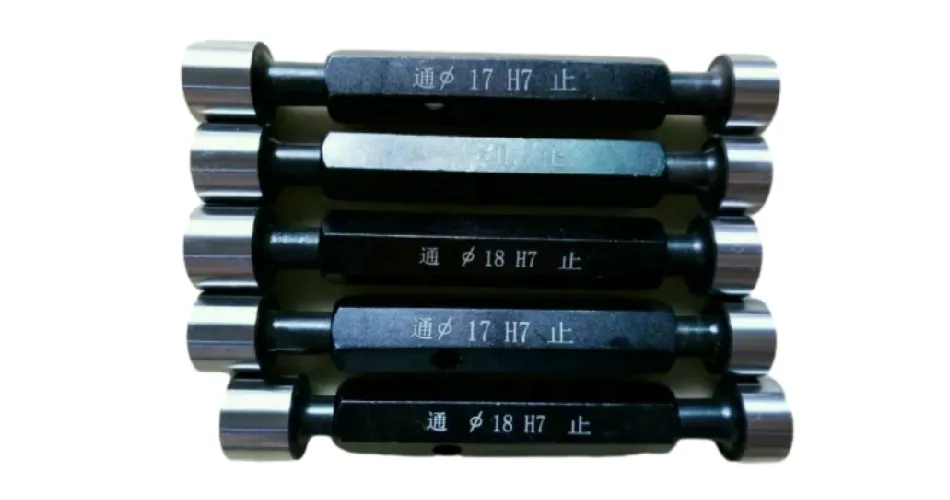
Snap-On Gauge Precision and Reliability in Measurement In the world of engineering and manufacturing, precision measurement tools are paramount. Among these tools, the Snap-On gauge stands out as a reliable and precise measuring instrument that has been favored by professionals across various industries. This article delves into the significance of Snap-On gauges, their applications, and why they are a preferred choice for measurement tasks. Snap-On Gauge Precision and Reliability in Measurement One of the prominent features of Snap-On gauges is their ability to provide a go/no-go measurement. This means that the gauge is designed to either fit over a part or not, thereby offering a clear indication of whether the part falls within the acceptable size range. This binary measurement is particularly beneficial in high-volume production environments, where ensuring consistency across products is critical to maintaining quality control. snap on gauge Snap-On gauges come in various forms, including internal gauges, external gauges, and depth gauges, each tailored for specific applications. Internal gauges, for instance, are designed to measure the diameter of holes, while external gauges are used to measure the thickness or diameter of shafts and other components. Depth gauges serve to measure the depth of holes and recesses accurately. The versatility of Snap-On gauges makes them indispensable in fields such as automotive manufacturing, aerospace, and construction. Another significant advantage of Snap-On gauges is their robust construction. These instruments are typically made from high-quality materials, ensuring durability and resistance to wear and tear. Additionally, their designs often include features that protect them from damage during use, such as shock-absorbing elements. This robustness translates into longevity, making them a valuable investment for any workshop or manufacturing facility. Accuracy and reliability are at the heart of any measuring tool, and Snap-On gauges excel in this regard. Each gauge undergoes rigorous testing to ensure that it meets strict accuracy standards, providing users with confidence in their measurements. This level of precision is vital, as even minor discrepancies can lead to significant issues in assembly and functionality, especially in industries that require exact specifications. In conclusion, Snap-On gauges are essential tools that combine precision, reliability, and user-friendly design. Their ability to provide quick, accurate measurements makes them an invaluable asset in various manufacturing and engineering applications. With their robust construction and clear measurement indicators, Snap-On gauges not only enhance productivity but also contribute to ensuring the quality and performance of final products. Whether in a bustling production line or a quiet workshop, Snap-On gauges stand as a testament to the power of precision engineering, helping professionals achieve excellence in their craft.
-

High quality industrial productsagement

High quality industrial products
View Details -

Meet the diverse needs of customers

Meet the diverse needs of customers
View Details -

Strict quality control

Strict quality control
View Details -

Top raw materials

Top raw materials
View Details -

Trusted supplier

Trusted supplier
View Details
Our application

news and information

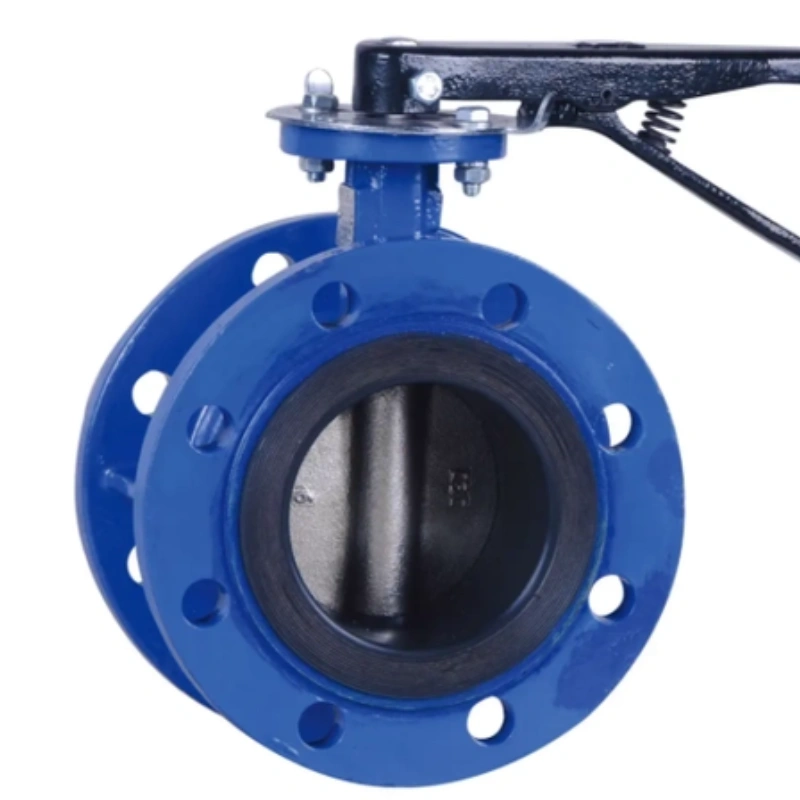
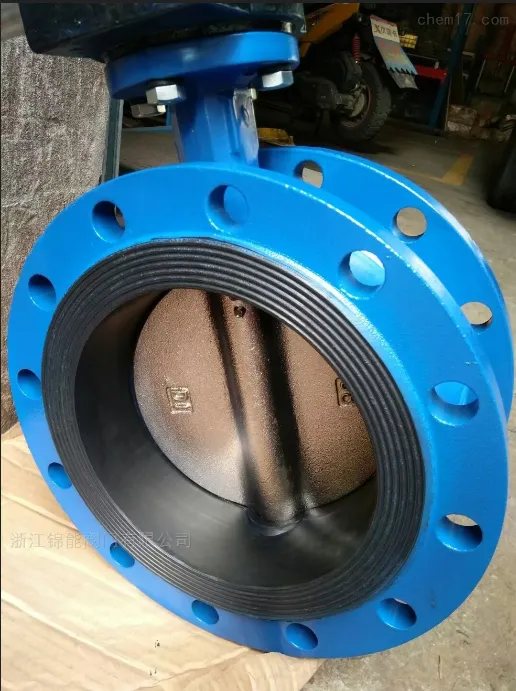
Versatile 48% Butterfly Valve for Enhanced Flow Control in Various Applications
Understanding the 48% Butterfly Valve A Key Component in Modern Flow Control When it comes to flow c
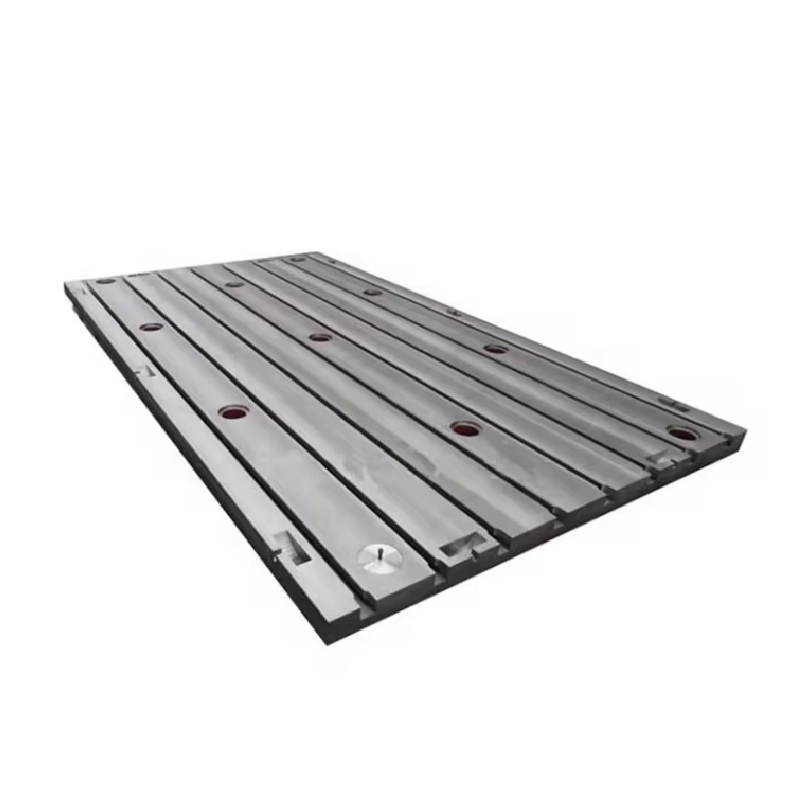
Versatile 3x4 Welding Table for Efficient Metal Fabrication and Projects
The Versatility of a 3x4 Welding Table In any metalworking shop, the tools and work surfaces can sig
Versatile Clamps for Securely Holding Workpieces on Welding Tables
The Essential Guide to Welding Table Clamps Welding is an integral part of various industries, from
 English